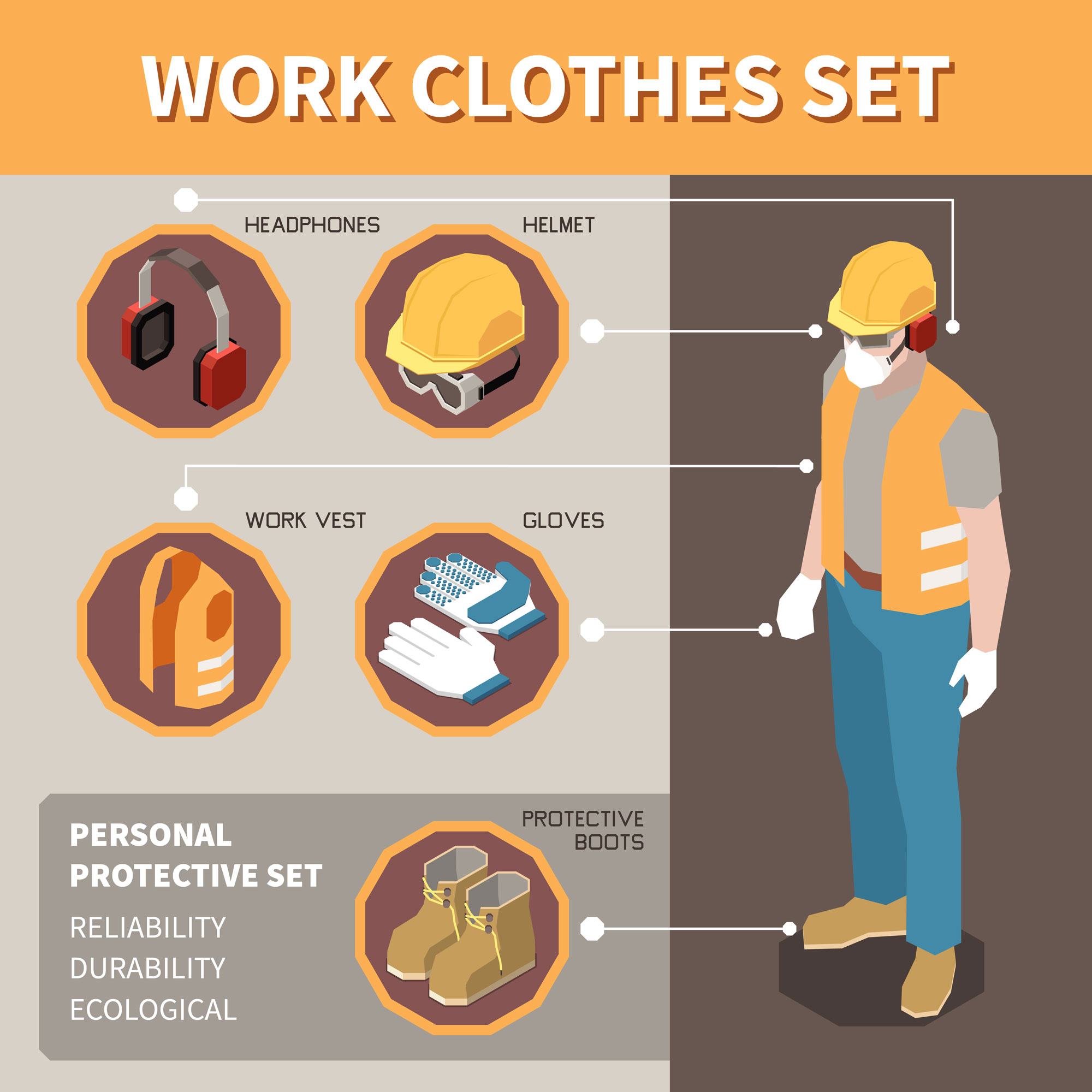
Safety Standards for Car Wash Employee Uniforms: Visibility, Slip-Resistance, and Protection
Car wash operations present unique safety challenges that many business owners underestimate. Between slippery surfaces, moving vehicles, chemical exposure, and busy traffic patterns, employees face daily hazards that proper uniform selection can significantly mitigate. Understanding and implementing the right safety standards for car wash uniforms protects your workforce while reducing liability and creating a more professional operation.
Why Safety-Focused Uniforms Matter in Car Wash Operations
The car wash environment combines multiple risk factors into one workspace. Employees navigate wet floors while operating equipment, directing vehicle traffic, and handling cleaning chemicals. According to workplace safety data, slips, trips, and falls account for a significant portion of car wash injuries, with vehicle-related incidents and chemical exposure adding to the risk profile.
Workplace safety and compliance extends beyond training and procedures. The clothing your team wears serves as the first line of defense against common hazards, making uniform selection a critical safety decision rather than merely an aesthetic choice.
High-Visibility Requirements for Traffic Safety
Car wash facilities, especially those with active drive-through lanes or outdoor drying areas, require employees to work in close proximity to moving vehicles. High-visibility clothing becomes essential in these environments, particularly during early morning, evening, or inclement weather conditions when driver visibility decreases.
ANSI/ISEA 107 standards define high-visibility safety apparel requirements based on work environment risk levels. For car wash operations with active vehicle traffic, Class 2 or Class 3 high-visibility garments provide appropriate protection. These uniforms feature fluorescent background materials in safety yellow, orange, or red, combined with retroreflective striping that reflects vehicle headlights.
While not all car wash positions require full high-visibility compliance, employees directing traffic, working in parking areas, or operating in dimly lit facilities benefit significantly from enhanced visibility features. Even incorporating reflective trim or bright color blocking on standard uniforms improves safety margins without requiring full ANSI compliance.
Slip-Resistant Footwear: The Foundation of Car Wash Safety
Wet floors represent the most persistent hazard in car wash operations. Water, soap residue, and cleaning chemicals create slippery conditions that standard footwear cannot safely handle. Slip-resistant footwear specifically designed for wet environments becomes non-negotiable for car wash teams.
Quality slip-resistant shoes feature specialized rubber outsoles with deep tread patterns that channel water away from the contact surface, maintaining traction even on wet floors. Look for footwear rated for oil and water resistance, with closed-toe designs that protect against chemical splashes and falling objects.
Many car wash operators make the mistake of treating footwear as a secondary consideration, but proper slip-resistant shoes reduce injury rates dramatically. When implementing uniform programs for your car wash business, footwear should receive equal attention to clothing selection, with clear standards communicated and enforced consistently.
Chemical-Resistant Fabrics and Protective Features
Modern car wash operations use various cleaning chemicals, from mild soaps to acidic wheel cleaners and waxes. While most car wash chemicals aren’t severely hazardous, repeated exposure can cause skin irritation, and accidental splashes can damage standard clothing or reach the skin underneath.
Uniforms constructed from synthetic blends or treated fabrics offer better chemical resistance than cotton alone. Polyester-cotton blends resist absorption, allowing chemicals to bead off rather than soaking through to skin. Some advanced fabrics include chemical-resistant treatments that provide additional protection without sacrificing comfort or breathability.
Beyond fabric selection, uniform design matters for chemical protection. Long sleeves provide more coverage than short sleeves, and higher necklines protect the chest area. However, balance protection with comfort since car wash work is physically demanding and often occurs in warm weather. Many operations find that providing both short and long-sleeve options allows employees to choose appropriate protection based on their specific tasks and weather conditions.
Water-Resistant and Quick-Drying Materials
Unlike chemical resistance, which prevents liquid penetration, water resistance for car wash uniforms focuses on managing moisture that inevitably contacts clothing. Employees working in automatic car wash bays, hand-washing vehicles, or operating spray equipment will get wet regardless of precautions.
Water-resistant uniforms designed for car wash environments use moisture-wicking fabrics that pull water away from skin while drying quickly. This technology keeps employees more comfortable throughout their shifts and reduces the risk of skin issues caused by prolonged moisture exposure.
Quick-drying properties also improve uniform appearance and hygiene. Uniforms that remain saturated look unprofessional and can develop odors, while quick-drying fabrics maintain a cleaner presentation even in wet conditions.
Durability Standards for High-Wear Environments
Car wash work is physically demanding, with employees constantly moving, bending, kneeling, and reaching. Uniforms must withstand this activity level plus exposure to water, chemicals, and frequent laundering without degrading quickly.
Reinforced stitching at stress points, double-layered knees for employees who kneel frequently, and industrial-grade fabrics extend uniform life significantly. While higher-quality uniforms cost more upfront, their durability reduces replacement frequency and maintains professional appearance longer, ultimately delivering better value.
Implementing Safety Standards in Your Car Wash Uniform Program
Creating a safety-focused uniform program starts with assessing the specific hazards your employees face. Walk through your operation and identify where high-visibility clothing is needed, where chemical exposure risks are highest, and which positions face the greatest slip hazards.
Document these requirements clearly and incorporate them into your uniform standards. When working with a uniform provider, communicate these safety priorities explicitly so appropriate products can be selected. Arizona Uniform specializes in developing uniform programs that balance safety requirements with comfort, durability, and brand presentation.
Consider role-based uniform specifications rather than a one-size-fits-all approach. Employees directing traffic need different safety features than those working in covered wash bays. Creating position-specific standards ensures everyone receives appropriate protection without over-engineering uniforms for lower-risk roles.
Safety-focused uniforms represent an investment in your most valuable asset—your employees—while reducing injury-related costs and liability exposure. By implementing proper safety standards in your car wash uniform program, you create a safer workplace and demonstrate genuine commitment to employee wellbeing.